


CSU Creak: What Causes It and How Do You Fix It?

You’re braking hard into a corner, loading the front end or pushing through a rough section. Then you hear it.
CREAK. CREAK. CREAK.
You’ve checked the headset, tightened the stem and maybe even blamed the brakes. But the noise is still there.
Sound familiar? You could have a CSU creak — a frustrating problem that can affect mountain bike forks from both FOX and RockShox. Let's look at what causes it and how I fix it at Flow State Suspension.
What Is a CSU?
CSU stands for Crown-Steerer Unit. It's the assembly connecting your fork's upper tubes (stanchions) to the crown and steerer tube, which passes through your headset and into your stem.
These components are joined using precision press-fit connections. Over time, the forces generated by braking, cornering and hitting rough terrain can cause microscopic movement at these interfaces.

This movement, sometimes associated with a process called fretting, can produce that unmistakable creak.
And no, it doesn't necessarily mean you've been riding like Danny Hart. It can happen through normal use.
How Do You Know If It's CSU Creak?
The noise often appears when loading the front end, particularly under braking or during hard cornering.
However, not every creaking fork has a CSU problem. Headset bearings, stem interfaces, brake components and axles can all produce similar noises.
That's why proper diagnosis matters before taking anything apart.
If you suspect movement at the steerer-to-crown connection, stop riding and have the fork inspected. It's a structural connection, not a noise to ignore.
How I Fix a Creaking CSU
At Flow State Suspension, I start by identifying the source of the noise and inspecting the fork to establish whether a repair is appropriate.
If the CSU is the culprit, the process typically involves:
Strip and inspect. The fork is stripped as required, and the relevant interfaces are checked for wear, corrosion or damage.
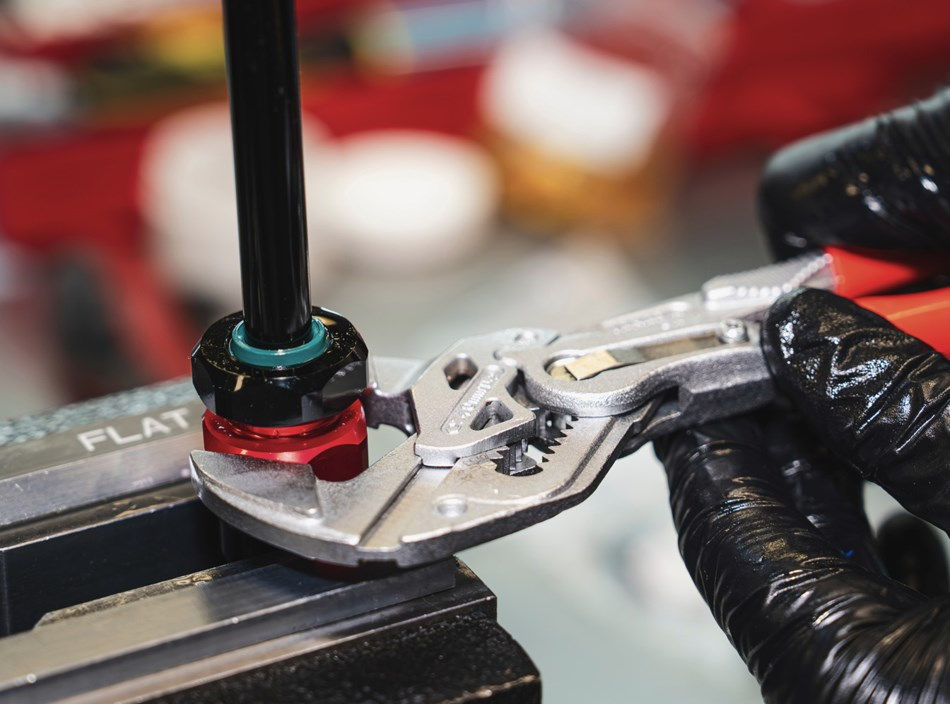
Separate the components. The affected press-fit connections are carefully separated using appropriate tooling.
Prepare the interfaces. Mating surfaces are cleaned and inspected to ensure the components are suitable for reuse.
Reassemble the CSU. Where appropriate, the components are pressed back together using the correct repair procedure and suitable retaining compound.
Check the result. The fork is reassembled as required and checked for correct function and any remaining signs of the problem.
Not every CSU can be repaired safely. If components are excessively worn or damaged, replacement may be the better option.
Got a Creaking FOX or RockShox Fork?
Before spending money replacing perfectly good headset bearings or buying a new fork, get the noise diagnosed properly.
At Flow State Suspension, I can assess your fork and advise whether a CSU repair is a suitable option.
Get in touch if your fork is creaking under load. Let's find the cause and get you back to enjoying your ride.


Comments