


What Actually Happens Inside Your Fork During a Service?

“Is it just an oil change, right?”
It’s a question I hear quite a lot. And whilst oil and seals are certainly part of it, a proper MTB suspension service is a fair bit more involved.
Your fork or shock is a precision piece of equipment. If it isn't clean, lubricated, sealed and functioning correctly, all those fancy compression and rebound adjustments aren't going to perform as they should.
So, what actually happens when it lands on my workbench?
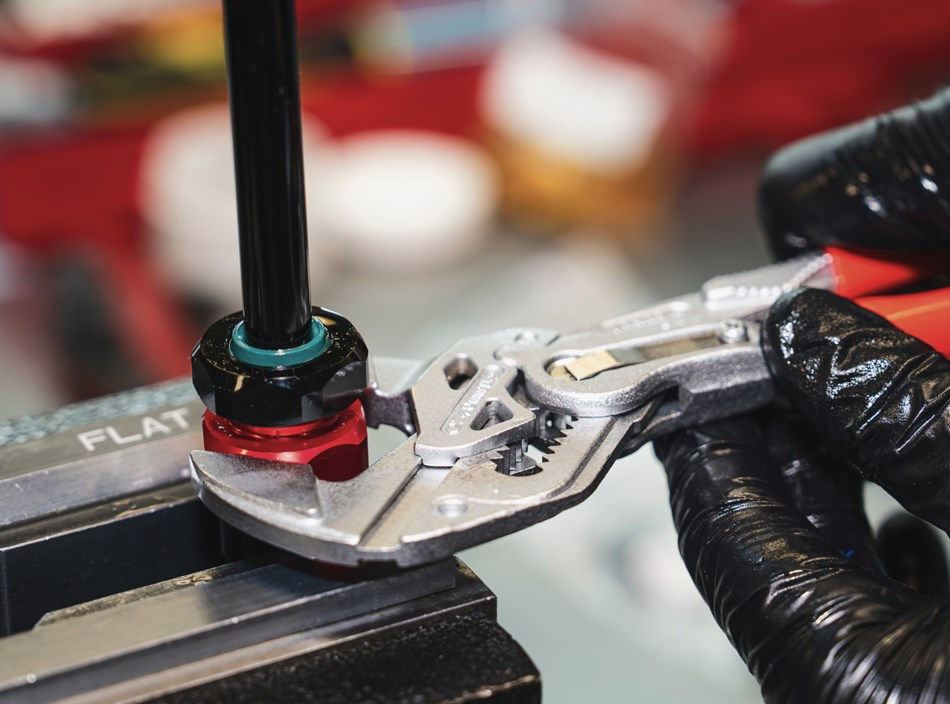
First: inspection
Before anything gets stripped down, I check the suspension over.
I'm looking for things like:
Oil leaks
Damaged or worn seals
Stanchion or shaft damage
Excessive play
Air loss
Unusual noises
Damaged hardware
Problems with rebound or compression
I'll also want to know what you've noticed when riding it. “It feels crap” is actually useful information — we just need to work out why.
Then it comes apart
The suspension is depressurised and stripped down using the correct tools and procedures for that particular model.
This is where things can get interesting.
What looks perfectly healthy from the outside can tell a very different story once it's apart. Old oil, contamination, worn seals and damaged components aren't always obvious until you get inside.
Clean, inspect and replace
Everything gets properly cleaned before being inspected.
Service seals, O-rings and other consumable components are replaced where required, and the correct lubricants and oils are used.
And yes, the correct oil matters. Suspension isn't the place for a bit of whatever's sitting in the garage.
Oil quantities and lubricants are specific to the component, and getting them wrong can affect how the suspension performs.
The damper matters
On a full service, the damper is also inspected and serviced where applicable.
The damper controls the movement of your suspension through oil flow, giving you your rebound and compression control.
That means contaminated fluid, worn seals or air in the damper can all affect how your suspension feels.
A shock that still moves isn't necessarily a shock that's working properly.
Then it all goes back together
Everything is reassembled correctly, with the appropriate torque settings and procedures for that model.
The suspension is then checked for:
Smooth movement. Air retention. Rebound. Compression. Leaks. Unwanted noises.
Basically, does it actually work properly?
And finally: setup
Once I know the suspension is mechanically healthy, I can set it up properly.
That might involve checking:
Air pressure or spring rate
Sag
Rebound
Compression
Volume spacers
Front-to-rear balance
Because there's little point spending an afternoon chasing the perfect rebound setting if the fork has sticky seals or the shock has contaminated oil.
Final Thoughts
A proper MTB suspension service isn't just an oil change and a set of seals.
It's an inspection, strip-down, clean, assessment, replacement of service parts where required, lubrication, reassembly, damper work where applicable, testing and setup.
The end goal is simple:
Make your suspension work like it should.
Whether you're riding a FOX 36, FOX 38, RockShox Lyrik, ZEB, Super Deluxe, Float X, DHX2 or something considerably more vintage, the same principle applies.
Good suspension is supposed to disappear beneath you.
It should react when you need it, provide support when you need it and keep the tyres connected to the trail without constantly reminding you that it's there.
If your fork or shock is feeling harsh, sticky, noisy, inconsistent or just not quite right, don't spend six hours changing rebound clicks and blaming your tyres.
Get it serviced properly.
If your suspension is due a service, or you're not sure what it actually needs, get in touch with Flow State Suspension. I'll inspect it, talk you through what it needs and get it working properly again.


Comments